Half-Life is a series I hold closely to my heart. Part of this has to do with my brother showing me Half-Life 2 shortly after I completed the first Portal game, though before Portal 2 was even released. I remember not wanting to play it, despite how cool it looked, because I wanted to play the first game before the second. My brother said I shouldn't because of how bad the graphics were, but we got the game anyways on this new program we called "Steam." I instantly fell in love with Half-Life.
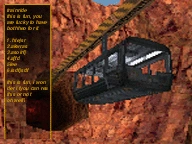
Half-Life is a historic game for many reasons. Around its release in 1998, the typical first person shooter was already a common occurence, with games like Wolfenstein, Doom, and Quake. In these games, you would spawn into a level, shoot the enemies, find keys to doors, and escape the level. Half-Life was different in that the entire first few minutes of the game situates you in the center of a story, and establishes the setting of where you will be for the rest of the game. When you get the chance to walk around on your own, you can find friendly NPC's, which were not normal at the time. At this point in the game, you don't have any weapons, so you don't instinctually kill anyone, but you are encouraged to interact with them and can even hear realistic dialogue from them. More than that, you can interact with your environment, typing on coworkers computers, tripping alarms, blowing up microwave casseroles, and getting soda from vending machines. These are elements that Valve pioneered, as they did not exist in FPS games before Half-Life.
Additionally, the level structure for the game was much more than just "shoot the enemies and escape the level." Often escaping the level was presented more in narrative terms, such as when you are told to launch a rocket that will help the scientists clean up this mess, or when you are told that in order to progress, you must activate generators and fuel receptors to defeat certain aliens. This gave progression through the levels a sense of narrative weight and progression.
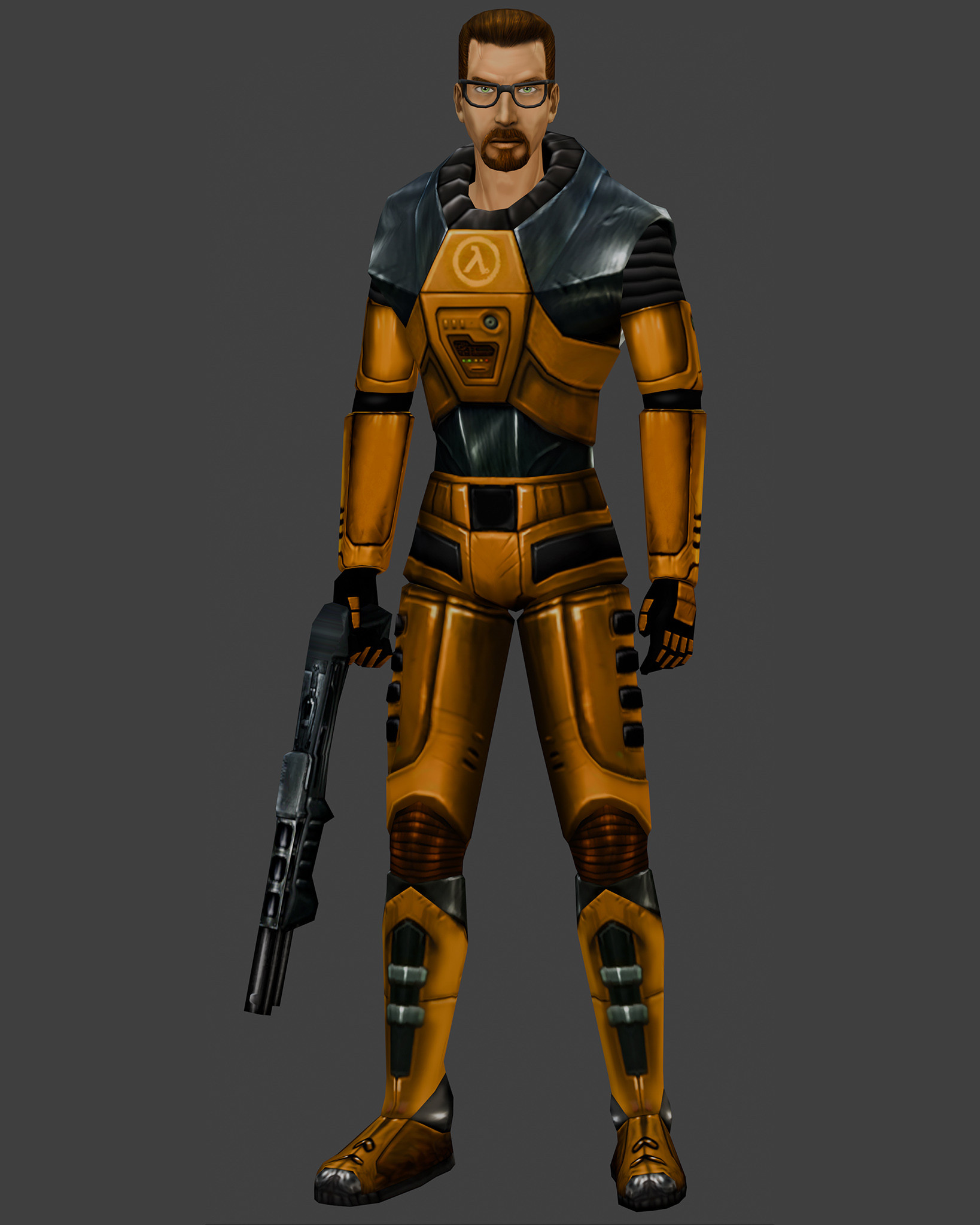
Gordon Freeman is a 27 year old physicist that you play as in the Half-Life games. You are told a few minor things about him in the opening of the game, like your clearance access, that you have a PhD from MIT, and your age and name. Later games flesh out your character more, like your penchant to climb in vents beginning long before the events of the first game. Other than that, Gordon Freeman is a mystery that we know very little about.
Gordon is what many refer to as a silent protagonist. While that was normal at the time of the game's release, with Doom guy only uttering sounds when he got hurt, the Half-Life IP has stuck with keeping him silent, as you never hear him speak, even in modern games. Many question if Gordon must be mute or otherwise nonverbal. The answer I like to stick with is that Gordon can speak, but only if you speak for him. When you have a silent protagonist, you can infuse the character with your thoughts and your personality. Whenever I play Portal, another franchise with a silent protagonist (named Chell), I also infuse her with my personality.
I view Chell as someone angered by the injustice of being locked in the facility, and she won't have it. Gordon Freeman however, I view as just a guy who wanted to come into work and study particle interactions with anomalous materials. Him getting caught in the crossfire, in my eyes, makes him a protagonist that doesn't want to be the center of the show. He just wants to do science and fire some lasers. I view Gordon as an introspective type that likely feels guilty for the event that starts this whole story, the Resonance Cascade. What's great about all of this is that this is my head canon, and when you play the games, you can have a different view since the games give you so much to work with. We are Gordon Freeman.
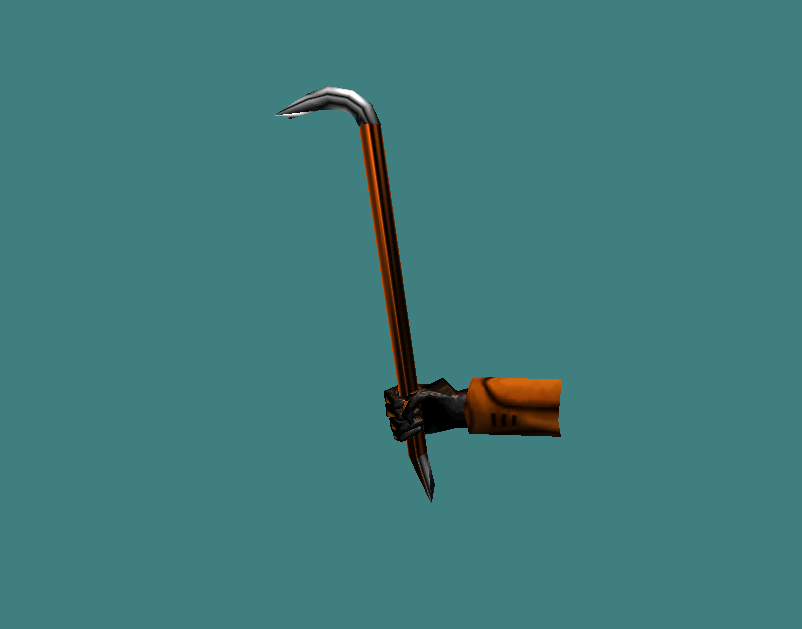
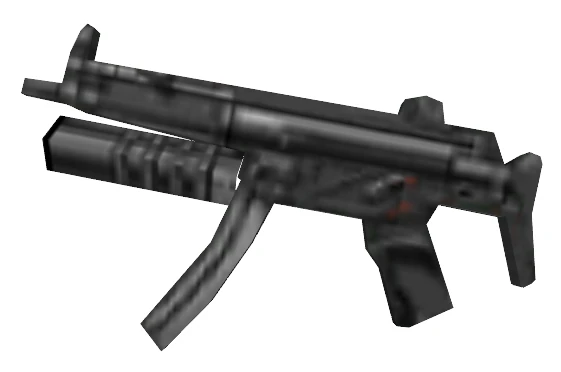
Half-Life is host to many iconic weapons. Its bastardization of the photon pack shows up in a form called "The Gluon Gun." How cool is that?! The submachine gun and the shotgun are among my personal favorits, good for killing just about anything you encounter in the games. And while the Tau canon is also iconic, one weapon stands above them all: the crowbar.
I believe that the crowbar is emblematic of Gordon in that both are tools of physics turned into weapons of survival. I mean, there's a lot of physics behind crowbars, with them being levers that reduce the amount of newtons needed to pry open a surface via mechanical advantage. Gordon being a physicist would know this, but both are turned towards using their advantages in order to survive and help others along the way. To the average gamer, the crowbar seems a strange and unlikely weapon, but has become infamous in its status, almost synonymous with the IP itself.
Growing up, I remember shortly after buying Half-Life, I was forced to go to sabbath school, which asked us to make with playdough something that we look forward to in our future. I remember I made a crowbar out of the playdough because I was so excited to get back home and play my new game. My dad was not amused that I brought secular ideas into church, but I digress.
I remember on one occassion when my family was installing a fan in our house and needed to use a few tools, including a crowbar. Our crowbar was all black, and when I discovered we had one, I remember wanting to hold it for the longest time because it made me feel powerful, like I was Gordon himself. While this may worry many that a child was running around with a crowbar, I wasn't. I was just playing with it on the ground as a kid may play with a hammer, only this time I felt like I just entered the game, and became the main character myself.



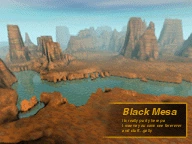
I am such a huge fan of the maps of the original Half-Life. While I am also a fan of remakes like Black Mesa, I do prefer the original 1998 Half-Life. This is because of its atmosphere. I love the concrete walls, the tile floors, and the industrial areas of the facility. This is a game whos maps were clearly inspired and made with care. You might be interested to know that one person is responsible for making every single texture in this game (Karen Laur), and she did an amazing job. Additionally, Kelly Bailey, who composed the soundtrack for the entire game, also helped make some of the maps too. What I like is how memorable each location in Black Mesa is, from the test chamber all the way through Interloper and onward. I personally enjoyed Surface Tension most due to its combat sequences, combined with you having most of your arsenal complete, as well as there being many scripted sequences and fights that are still memorable to this day. Even the textures of the red rocks are enjoyable to me. Xen is in its own class. I understand that those last few chapters were rushed in development, but it still strikes me as a visually stunning and asthetically unique portion of the game that I still fawn over all these years later. I consider Half-Life to be a very beautiful game indeed.
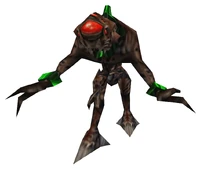
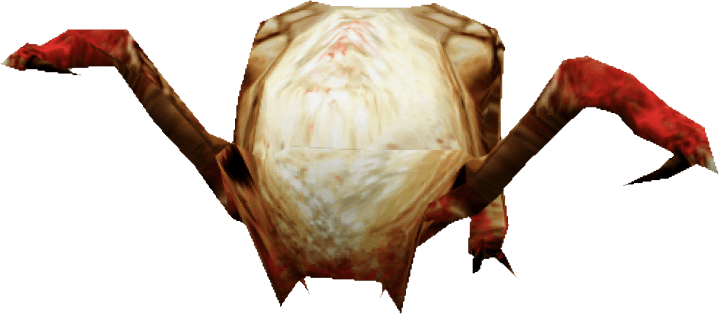
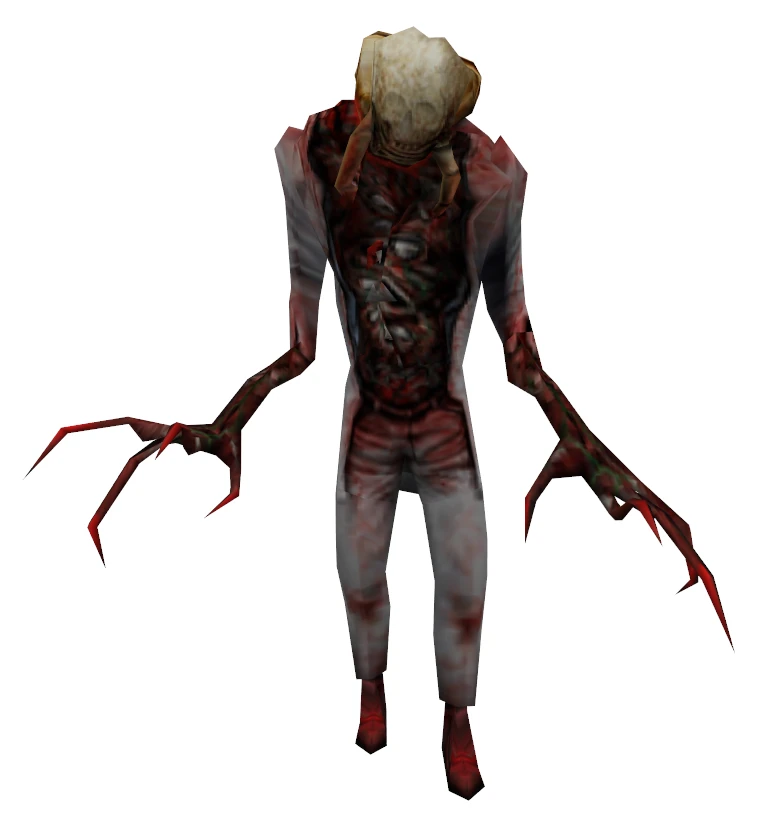
The enemies in this game are what make the game as fun as it is. Headcrabs, small enough to chase you in a vent, and easy enough to kill in earlier chapters of the game. Soldiers, that are actually programmed to work together to fight you, unlike other NPCs in this game, are also a worthy foe. Dare I say that the marines are the best enemies in the game since they give you a run for your money, throw explosives at you, work together and have voice lines that clue you into their attacks, and also are a good source of ammo for the player. Vortigons are always cool wherever they appear in a Half-Life title. I think Valve outdid themselves with how they present the vorts in HL2, but in the first game, they are still fascinating. Their speech sounds alien, except for the handful of times they tell you to "die" in fluent english. While some may view even the scientists as enemies to be killed, I personally don't play Half-Life that way. I am far too fond of the fellow scientists, including all the Barney's that share one brain cell. The combination of unique and compelling enemies with friendly NPCs is what made this game what it is. I think the larger community knows this, due to all the headcrab merch sold, and the public outcry for the return of Xen fauna, like the houndeye or the bullsquid in a future Half-Life title.
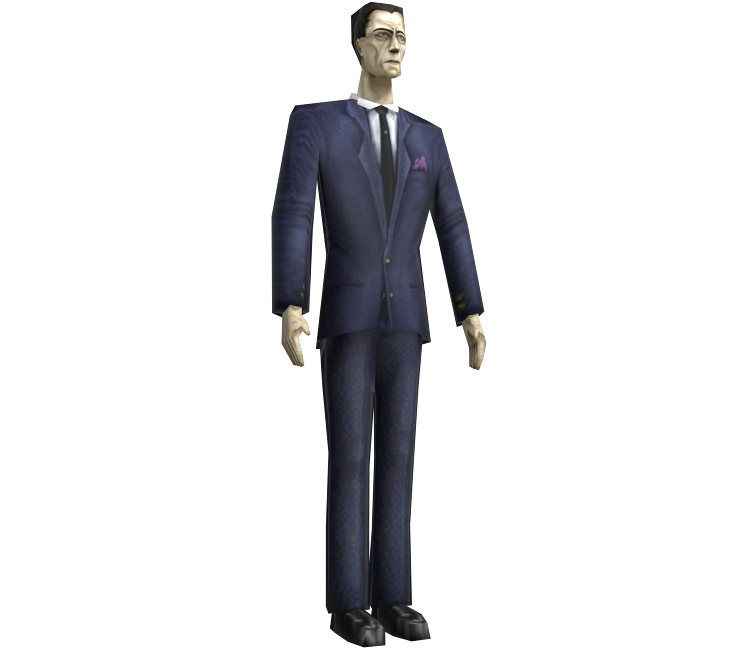
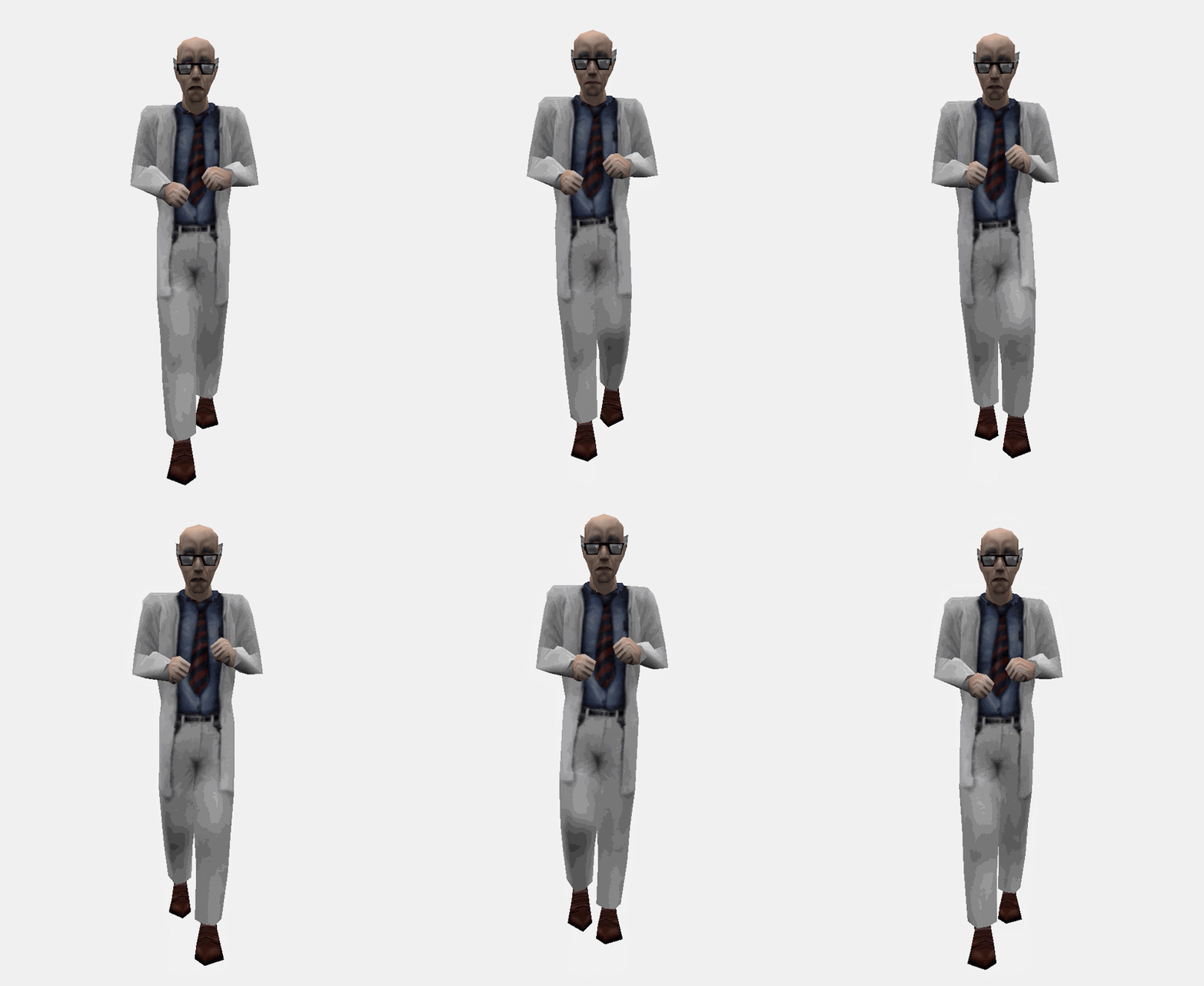
Can we just appreciate how perfect this concept is to put in a video game? Half-Life existed at a time when adding narrative story telling was new to the FPS genre, and they decided to add plot to their game in many ways, including the use of Gman as a character. Not only was this such an "S tier" idea to make the story more compelling, it also ended up creating the single largest mystery in video game history. We don't even know Gman's name! We only call them that because that's how Gman is refered to in the game files, and later titles call him a "mutual friend." I think gamers who are accustomed to Half-Life just see Gman as a fun little easter-egg. Imagine how on a first playthrough you might barely notice him, and how different that must feel on a second playthrough after you learn he's there. One could argue that each Gman you see is a different person, since you see dozens of scientists that have one of the same 4 faces, maybe each Gman sighting is a different characters using the same playermodel (one could argue). I can't even disprove such a notion since we know so little about Gman, even from what we know about future Half-Life installments. I do think the mystery is fascinating. Half of the life this game has (hehe) comes from the discourse around the game itself. Who is Gman? Is he human or alien? Is he a god? Why does he always adjust his tie? What is in his suitcase (yes I know in HL1 its cigarettes and papers, but still!!!) What does Gman want? Is he a friend or the final boss of the entire Half-Life series? Who are his employers? I haven't found a satisfactory answer to these questions yet, but the exploration for them is as fun as playing the games themselves.
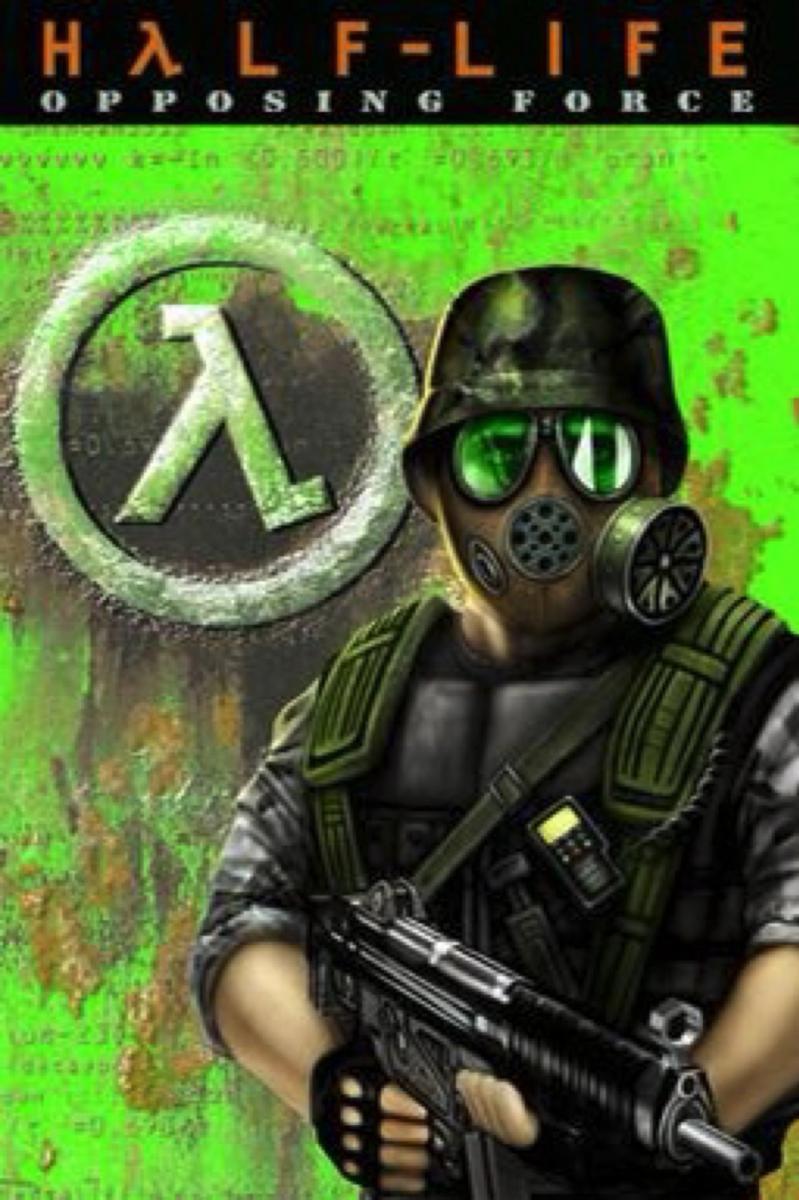
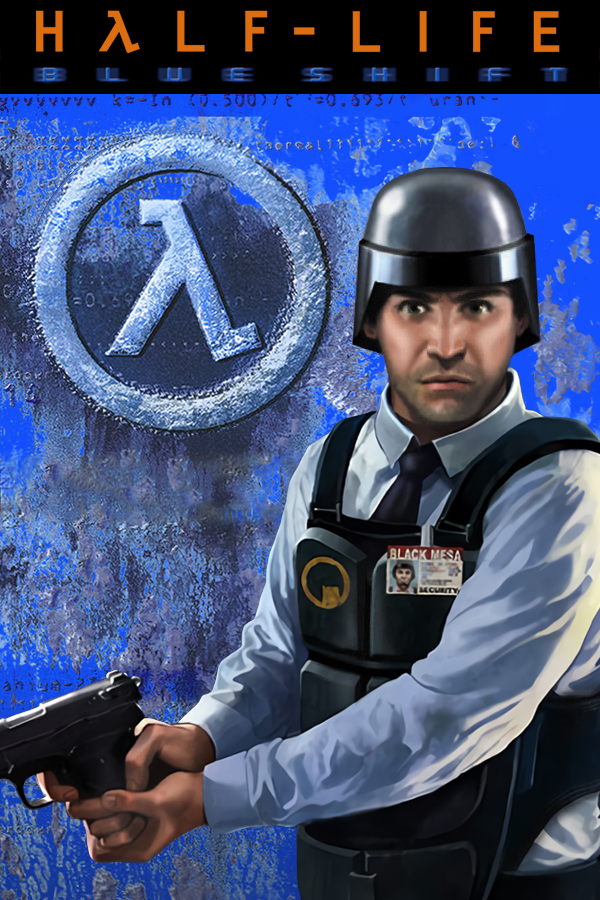

Gearbox was hired by Valve to make three expansions for the main Half-Life. I have played all of them.
Opposing Force is probably my favorite of the three expansions. You play as Corporal Adrian Shephard, a soldier sent to Black Mesa after the Resonance Cascade to do whatever the higher ups tell you to. Your ship crashes early on, so you thankfully aren't given any orders to kill scientists. I think that was a main point in this game, that they make sure that your character is friends with the scientists, even though players often would kill the friendly NPC's for the fun of it. While the boss fight was underwhelming for me, I do like everything this game adds. Since you are a soldier, you can do things that Gordon and others can't, like use night vision, climb ropes, and use the radios across the game. They even let you command other soldiers that can heal you, break down walls, or be useful in general. This game has the most unique gameplay of any Half-Life entry, and includes the most unique arsenal too. My favorite weapons have to be the M40A1 Sniper Rifle and the Project XV11382 Displacer Canon (the one that shoots portals and teleports you to Xen). I always enjoyed the amount of detail that went into the Displacer Canon, with each new map allowing you to right click to teleport to Xen whenever you felt like it.
Blue Shift is a welcomed addition to the Half-Life games, where you play as Barney Calhoun, a security guard working at Black Mesa during the incident. I am personally of the camp that the Gearbox games are mostly canon, and the main point of validation for that claim (in my eyes), is the fact that the protagonist of this game becomes a major side character in Half-Life 2. What is particularly enjoyable about Blue Shift is that you don't wear any power armor, just regular armor. It feels like it is easier to die in this game when you have zero armor, so you'll have to find security guard helmets and vests that aren't mangled and broken. This mechanic makes it instantly infuriating when I find an HEV charger but can't use it due to my lack of an HEV suit. Still, while this game is slow, short, and not as groundbreaking as the original Half-Life or even Opposing Force, it is a game I have played to death and enjoyed thoroughly.
Half-Life: Decay is probably the black sheep of Half-Life games. I only was able to play it in 2026, as in previous years there was always some difficulty playing due to it being a Play Station 2 exclusive, as well as it being a co-op game. In this game you play as Colette Greene and Gina Cross, two scientists that also bear HEV suits in the Half-Life universe. It is my head-canon that their HEV suits belonged in the canisters opposite Gordon's in the original Half-Life. One thing I personally enjoyed about Decay was how different the story felt. It is more episodic rather than a free flowing story, with you completing 10-15min missions across the facility that have some connection to one another. All the missions you complete are with the goal of trying to reverse the Resonance Cascade. What I particularly enjoy is how ambiguous the ending is (spoilers ahead). The game ends by saying that you closed the portal and that the mission was a success. If this is canon, we need to square this with the fact that the aliens don't stop teleporting into earth in Half-Life. I personally believe that the mission was a success. I believe Gordon closed the portal on Earth's side with the satellite delivery rocket, but the portal on Xen needed closing. I think Gina and Colette accomplished this. I also think the Nihilanth forced the Xen portal back open, which means that Gina and Colette's success was just a stepping stone to fixing the Resonance Cascade. It would only be fixed when Gordon himself marched into the Nihilanth's chamber and killed it himself. A final dark detail is that when you go to Xen in Blue Shift, you can find the body of Gina, wearing Colette's HEV suit. It is unknown what happened to Colette, or why any of them went to Xen. Personally, I believe Colette might return in a future Half-Life installment as an enemy, but time will tell.